Heating and Drying Ovens
-
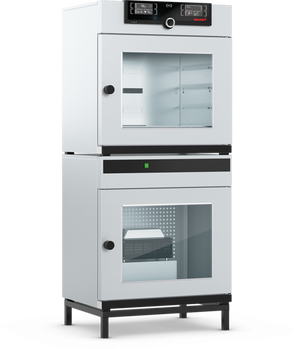
Memmert - VO 101 Cool, 230V - Vacuum Oven Cool
-
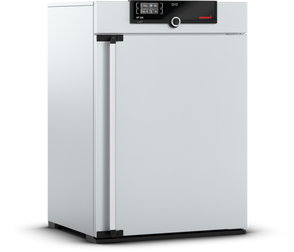
Memmert - UF 260, 230V - Forced Circulation Oven
-
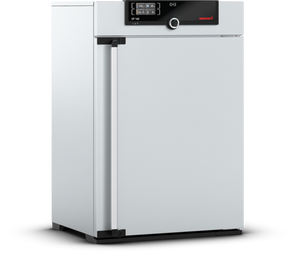
Memmert - UF 160, 230V - Forced Circulation Oven
-
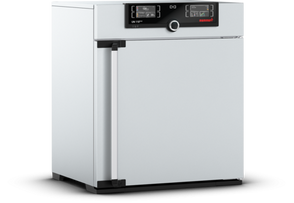
Memmert - UN 110 Plus, 230V - Natural Convection Oven
-
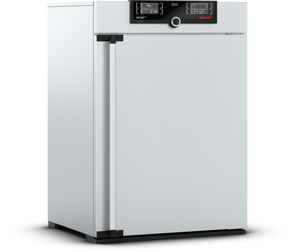
Memmert - UN 260 Plus, 230V - Natural Convection Oven
-
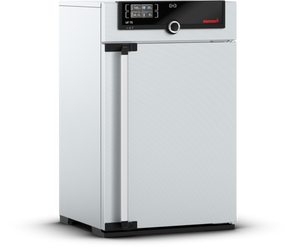
Memmert - UF 75, 230V - Forced Circulation Oven
-
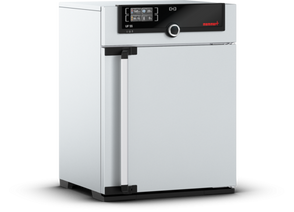
Memmert - UF 55, 230V - Forced Circulation Oven
-
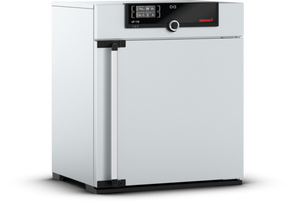
Memmert - UF 110, 230V - Forced Circulation Oven
-
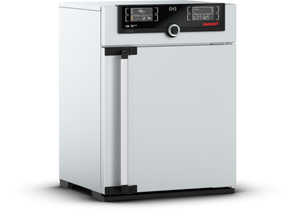
Memmert - UN 55 Plus, 230V - Natural Convection Oven
-
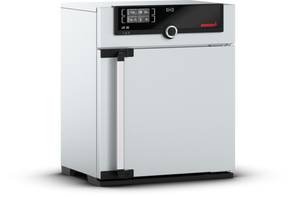
Memmert - UF 30, 230V - Forced Circulation Oven
-
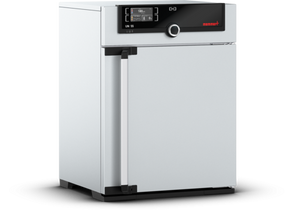
Memmert - UN 55, 230V - Natural Convection Oven
-
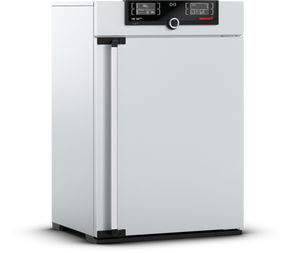
Memmert - UN 160 Plus, 230V - Natural Convection Oven
-
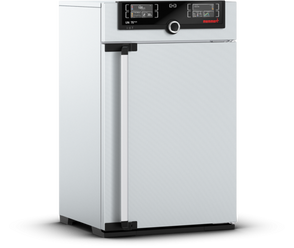
Memmert - UN 75 Plus, 230V - Natural Convection Oven
-
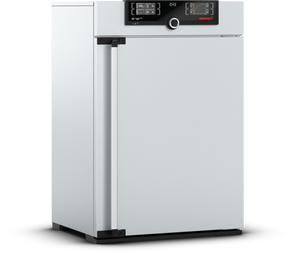
Memmert - UF 160 Plus, 230V - Forced Circulation Oven
-
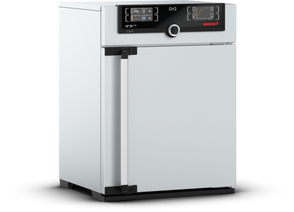
Memmert - UF 55 Plus, 230V - Forced Circulation Oven
-
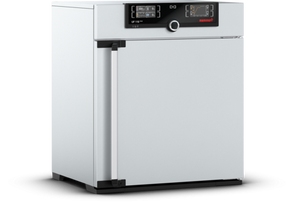
Memmert - UF 110 Plus, 230V - Forced Circulation Oven
-
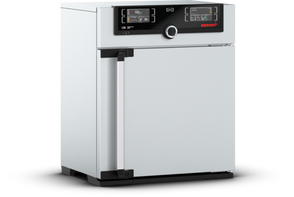
Memmert - UN 30 Plus, 230V - Natural Convection Oven
-
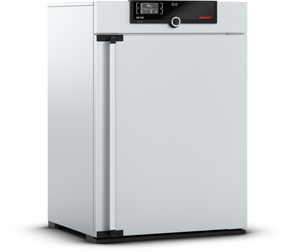
Memmert - UN 260, 230V - Natural Convection Oven
-
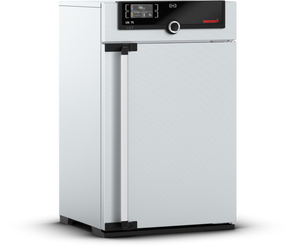
Memmert - UN 75, 230V - Natural Convection Oven
-
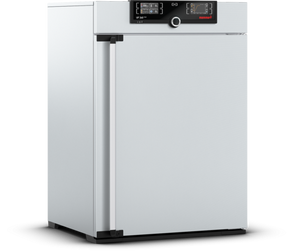
Memmert - UF 260 Plus, 230V - Forced Circulation Oven
High-Performance Lab Ovens For Scientific & Industrial Use
What is the difference between a forced convection and a natural convection laboratory oven?
The primary difference between forced convection and natural convection laboratory ovens lies in how heat is distributed within the chamber.
-
Forced convection ovens: Fans are utilized to actively circulate air. This expedites preheat times and processing and improves temperature uniformity. Forced air ovens are ideal for consistency and faster processing times, especially when handling high-moisture samples.
-
Natural convection ovens: Utilize passive heat movement where warm air rises and cooler air sinks. Natural convection ovens are ideal for delicate samples that airflow could disturb, such as lightweight powders and fine granular materials.
What temperatures do lab ovens typically reach?
Laboratory ovens are designed to accommodate a wide range of temperature requirements depending on the application. Most standard lab ovens operate between ambient temperature and approximately 250°C to 300°C (482°F to 572°F). Some high-performance or specialized industrial ovens can reach even higher temperatures for advanced materials testing and annealing. The appropriate temperature range depends on your specific use case, whether it is drying, curing, sterilizing, or thermal testing. Selecting an oven with the correct temperature capability ensures both efficiency and safety in your laboratory processes.
Are your lab ovens compliant with GMP and ISO standards?
Yes, many laboratory ovens are designed to meet Good Manufacturing Practice (GMP) and International Organization for Standardization (ISO) requirements. These standards help achieve consistency and compliance for highly regulated industries such as pharmaceuticals and food testing. Precise temperature control, data logging capabilities, and even heat distribution all contribute toward compliant operations. This is especially critical for specialized processes, such as utilizing depyrogenation ovens to destroy endotoxins on glassware. When selecting an oven, it is important to confirm that the model aligns with the specific regulatory standards required for your operations.
Are laboratory ovens easy to maintain?
Laboratory ovens are generally designed for straightforward maintenance to support long-term performance and reliability. Routine maintenance typically includes:
-
Cleaning the interior chamber
-
Inspecting door seals
-
Ensuring that fans and heating elements are functioning properly
The design of an oven can simplify or complicate maintenance - something to consider as you shop. To help resist corrosion and simplify cleaning, most modern ovens should be made of durable materials such as stainless steel. Regular calibration and preventive maintenance checks are also recommended to maintain temperature accuracy and extend the lifespan of the equipment.
How do I choose the right oven for my laboratory?
Choosing the right laboratory oven depends on several key factors, including your application, required temperature range, sample sensitivity, and desired level of uniformity.
For fast, consistent heating, a forced convection oven is often the best choice. For more delicate applications, a natural convection oven may be more suitable. Additionally, if your protocol requires drying heat-sensitive samples or removing flammable solvents, you must utilize specialized vacuum ovens designed to operate under negative pressure.
Additionally, consider chamber size, energy efficiency, control features, and compliance requirements. Evaluating these factors alongside your lab’s workflow will help ensure you select an oven that meets both current and future needs.
Can I get a quote on a laboratory oven?
Yes, you can request a quote for a laboratory oven based on your specific requirements. Providing details such as desired temperature range, chamber size, application type, and any compliance needs will help ensure an accurate and tailored recommendation. At Lab Equipment Company, our team works closely with you to understand your laboratory’s needs and provide a solution that aligns with your operational goals, budget, and regulatory requirements.