Water Systems
-
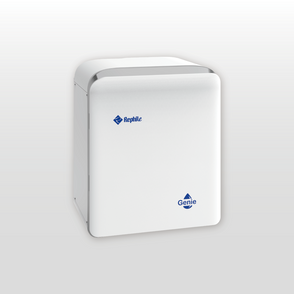
Rephile - RG0G0 - Large Genie G Water System Set with TOC, No Storage Tank
-
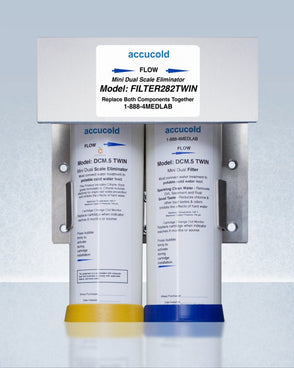
Accucold - FILTER282TWIN - AIWD282 Water Filtration System
-
Rephile - RASP531 - Wall Mount Kit for The Purist Systems
-

Rephile - RAR050001 - RO Membrane
-

Rephile - RAPRE0201 - Leak Protector Sensor
-

Rephile - RAPR000R8 - Back Pressure Regulator
-
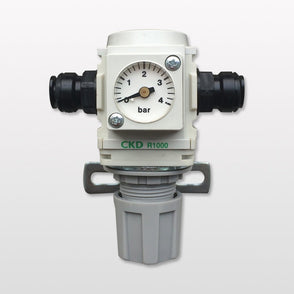
Rephile - RAPR58562 - Pressure Regulator Kit
-

Rephile - RAPR000L6 - 3/4" SST Solenoid Valve Kit for Super Genie
-
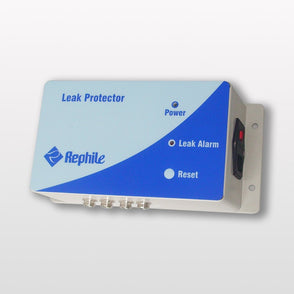
Rephile - RAPRC0113S - Leak Protector Sensor
-
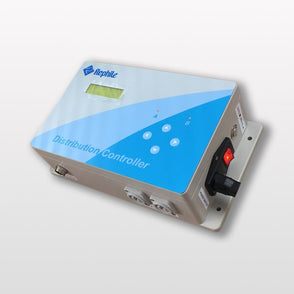
Rephile - RAPRC0121 - Distribution Controller
-

Rephile - RAPR000L4 - 1/2" SST Solenoid Valve Kit for Super Genie
-

Rephile - RAPR000L8 - 1" SST Solenoid Valve Kit for Super Genie
-

Rephile - RASP22045 - Distribution Pump for Super-Genie Water System
-

Rephile - RR71R40N1 - RO Pack
-

Rephile - RR500AT01 - RephiDuo AT Conditioning Cartridge
-

Rephile - RR720CPD1 - Direct Pure P Pack
-

Rephile - RR720H1D1 - Direct Pure H Pack
-
Rephile - TUPUMP001 - Distribution Pump for Miele Dishwasher
-
Rephile - RR720CBD1 - Direct Pure C Pack B
-

Rephile - RR720Q1D1 - Direct Pure U Pack


Modular & Compact Lab Water Systems
What is the difference between Type 1, Type 2, and Type 3 laboratory water?
Laboratory water is classified by its purity level, which determines its appropriate application:
-
Type 1 (Ultrapure Water): This is the highest level of purity (18.2 MΩ·cm at 25°C), completely stripped of ions, organics, and bacteria. Type 1 ultrapure water systems are required for highly sensitive analytical techniques like HPLC, GC-MS, ICP-MS, and mammalian cell culture.
-
Type 2 (Pure Water): Generally rated between 1 to 15 MΩ·cm, Type 2 pure water systems remove most inorganic ions and are used for buffer preparation, chemical formulation, and feeding clinical analyzers or Type 1 polishers.
-
Type 3 (RO Water): Produced via reverse osmosis,Type 3 reverse osmosis water systems remove up to 99% of contaminants. This grade is typically used for general laboratory tasks, such as glassware washing, autoclave feed water, and heating baths.
What is a Clinical Laboratory Reagent Water (CLRW) System?
Clinical diagnostics and medical testing require highly regulated water to prevent false patient results. Clinical Laboratory Reagent Water (CLRW) systems are specifically engineered to meet strict Clinical and Laboratory Standards Institute (CLSI) guidelines. These systems provide a continuous, high-volume supply of pure water directly to automated chemistry and immunoassay clinical analyzers.
Do lab water systems require regular maintenance?
Yes. To maintain strict resistivity and purity standards, all purification systems require routine replacement of their integrated consumables, such as RO membranes, deionization (DI) cartridges, UV lamps, and final bio-filters. Most modern systems feature digital controllers that actively monitor water quality and alert users when specific filter packs or conditioning cartridges need to be replaced.
Can I install a water purification system if my lab has limited space?
Absolutely. Many of our modern water systems feature compact, modular designs. You can place the main purification unit under a counter or mount it on a wall, while routing a slim, remote dispensing arm directly to your benchtop. This allows you to access ultrapure water right where you need it without sacrificing valuable laboratory workspace.