Clean Air Hoods and Containment Products
-
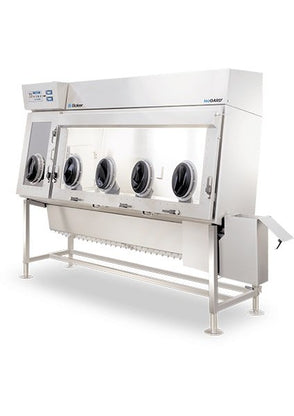
Baker - CEIG-13 - IsoGARD Class III Biological Safety Cabinet IG-13
-
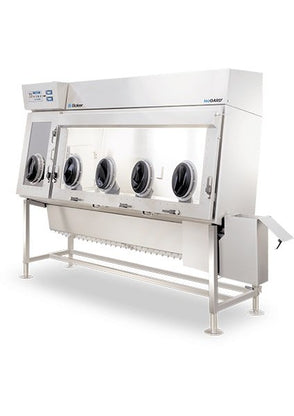
Baker - CEIG-14 - IsoGARD Class III Biological Safety Cabinet IG-14
-
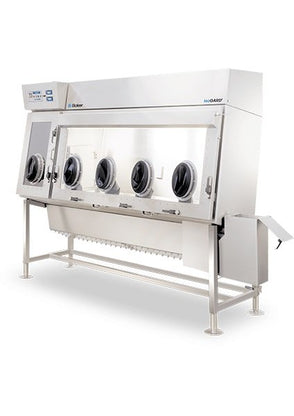
Baker - CEIG-12 - IsoGARD Class III Biological Safety Cabinet IG-12
-
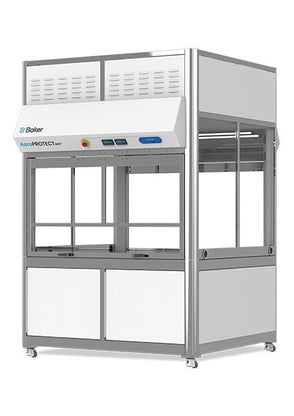
Baker - AP1601 - 16' AeroProtect 360° Aseptic Containment Enclosure 16'
-
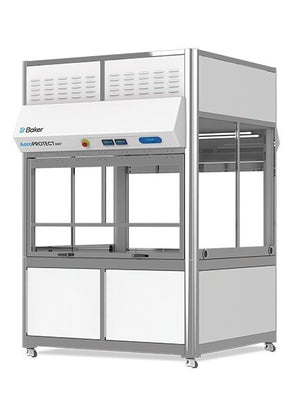
Baker - AP1101 - 11' AeroProtect 360° Aseptic Containment Enclosure
-
Baker - AP801 - 8' AeroProtect 360° Aseptic Containment Enclosure
-
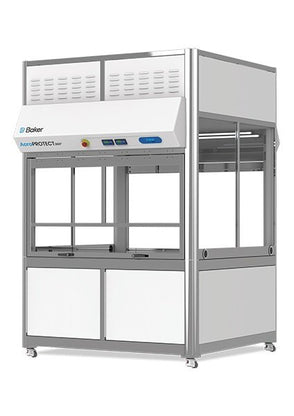
Baker - AP601 - 5.5' AeroProtect 360° Aseptic Containment Enclosure
-
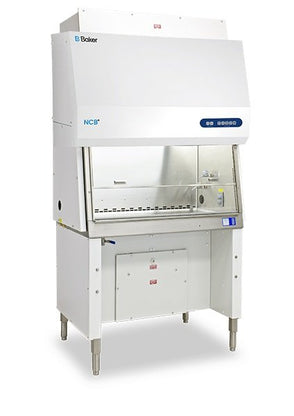
Baker - NCB605 - 6' NCB™ e3 Class II Type B1 Biological Safety Cabinet
-
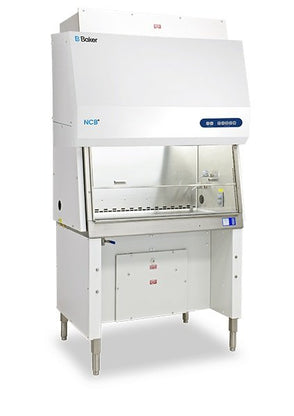
Baker - NCB405 - 4' NCB™ e3 Class II Type B1 Biological Safety Cabinet
-
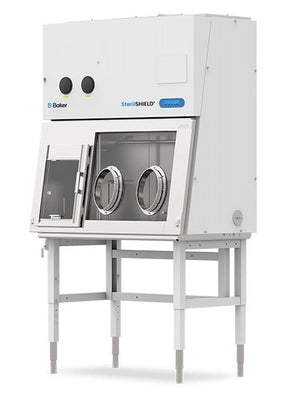
Baker - SS800 - 8' SterilSHIELD® Compounding Aseptic Isolator (CAI)
-
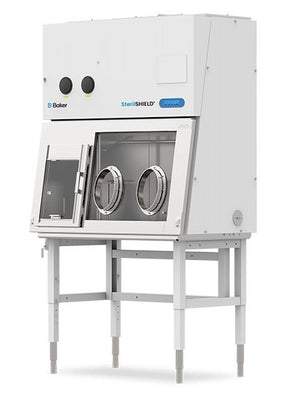
Baker - SS600 - 6' SterilSHIELD® Compounding Aseptic Isolator (CAI)
-
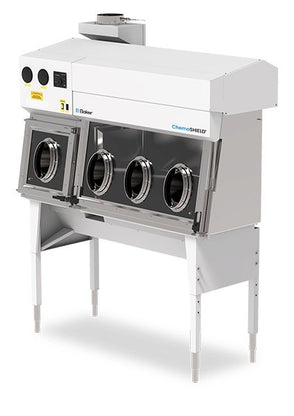
Baker - CS500 - 5' ChemoSHIELD® Compounding Aseptic Containment Isolator (CACI)
-
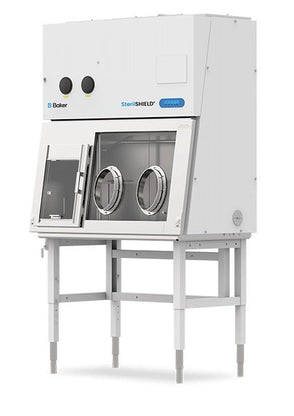
Baker - SS500 - 5' SterilSHIELD® Compounding Aseptic Isolator (CAI)
-
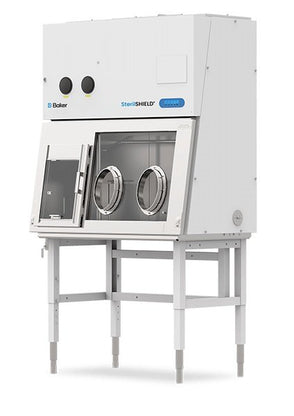
Baker - SS400 - 4' SterilSHIELD® Compounding Aseptic Isolator (CAI)
-
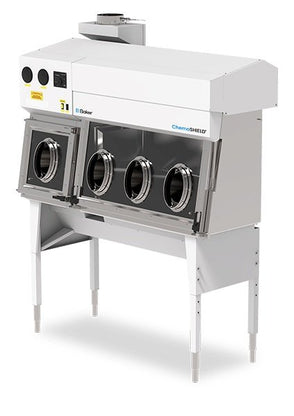
Baker - CS600 - 6' ChemoSHIELD® Compounding Aseptic Containment Isolator (CACI)
-
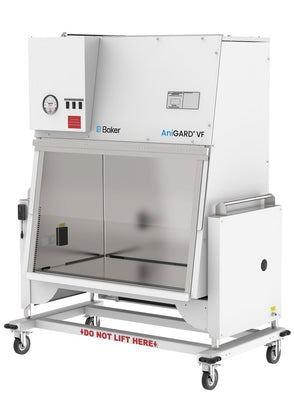
Baker - AGVF402 - 4' AniGARD® Vertical-Flow Animal Transfer Station Clean Bench
-
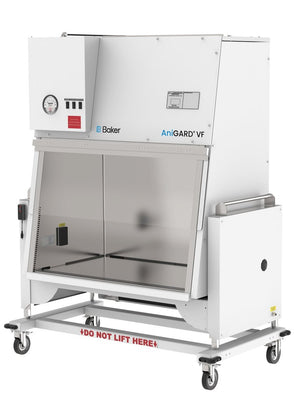
Baker - AGVF502 - 5' AniGARD® Vertical-Flow Animal Transfer Station Clean Bench
-
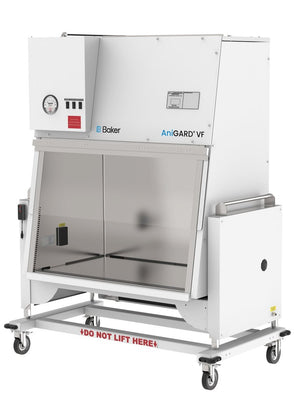
Baker - AGVF602 - 6' AniGARD® Vertical-Flow Animal Transfer Station Clean Bench
-
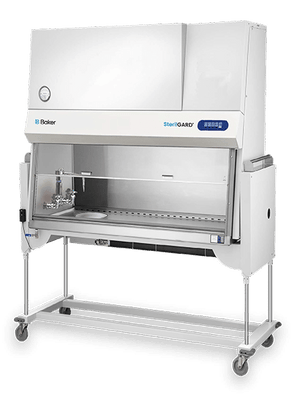
Baker - SG604-NEC - 6' SterilGARD® e3 Necropsy Unit
-
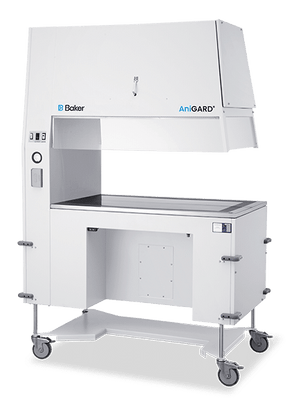
Baker - AG503 - 5' AniGARD® e3 Animal Transfer Station
Racks for Liquid Nitrogen Storage
Laboratory Enclosures and Isolators
Laboratory Enclosures and Isolators
At Lab Equipment Co, we provide a comprehensive range of laboratory enclosures and isolators designed to protect personnel, the environment, and sensitive experiments from contamination. Our ventilated enclosures and containment isolators ensure a controlled environment for handling hazardous materials, ensuring both safety and compliance with industry standards.
Lab Enclosures and Isolators for Safety and Containment
Our lab enclosures and isolators are designed to offer maximum protection for researchers and ensure the integrity of the work being conducted. Whether you’re handling hazardous chemicals, working in an isolation lab, or conducting sterile experiments, our solutions ensure optimal containment and ventilation.
Key Features of Our Lab Enclosures & Isolators:
• Ventilation Systems: Designed with advanced airflow technology to safely remove hazardous fumes and particles.
• Chemical-Resistant Materials: Built to withstand harsh lab environments and exposure to corrosive substances.
• Customizable Sizes: Available in a range of sizes to fit different lab setups and requirements.
• Easy Maintenance: Our enclosures and isolators are designed for easy cleaning and maintenance, ensuring consistent performance.
FAQs Section
What is a Lab Isolator?
A lab isolator is a controlled environment that isolates the laboratory worker from the materials they are handling. It’s designed to maintain a sterile atmosphere, preventing contamination between the lab worker and the sample. Isolators are commonly used in industries like pharmaceuticals, biotechnology, and medical research.
What Are Isolators Used For?
Isolators are used for the handling of sensitive or hazardous materials in an enclosed and controlled environment. They provide protection for both the operator and the product, ensuring that processes such as drug manufacturing, cell culture, or chemical research are conducted in a contamination-free zone.
What is an Enclosure in Research?
An enclosure in a research lab refers to a controlled space, such as a ventilated enclosure or containment unit, where hazardous or sensitive materials are handled. Enclosures help maintain the integrity of experiments by preventing exposure to external contaminants and ensuring safe handling of volatile substances.
How Do You Pick the Right Enclosure for Your Laboratory?
Choosing the right lab enclosure depends on factors such as:
• Type of material being handled (hazardous, chemical, or biological).
• Level of containment required (open enclosure, ventilated, or completely sealed isolator).
• Airflow requirements to prevent contamination or chemical exposure.
• Space availability in the lab, ensuring the enclosure fits within the existing workspace.
• Compliance with lab safety regulations to ensure safety and containment standards.
What is the Difference Between a Ventilated Balance Enclosure and a Biosafety Cabinet?
A ventilated balance enclosure is primarily used for handling powders and chemicals, protecting the user from inhaling dangerous substances by filtering and exhausting contaminated air. In contrast, a biosafety cabinet (BSC) is used for biological applications, protecting both the user and the samples being handled. BSCs filter air through HEPA filters to create a sterile environment, while ventilated enclosures focus more on chemical containment.