Homogenizers
-
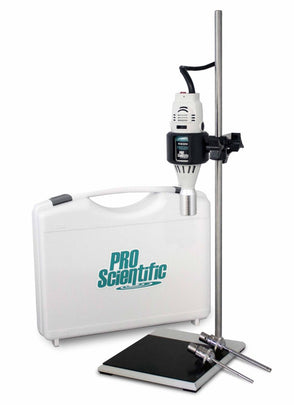
PRO Scientific - PK-01200P - Premium Micro-Homogenizing Package, 0.5ml-10ml Tubes
-
PRO Scientific - PK-01250MXD - Deluxe MaX-Homogenizing Package, 5ml-4L Beakers
-
PRO Scientific - PK-01250DP - Deluxe Plus CBD Homogenizing Package
-
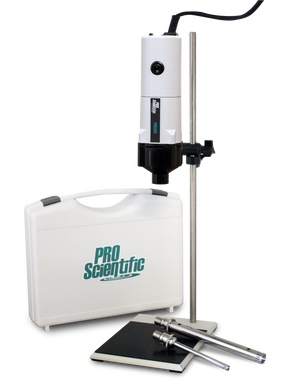
PRO Scientific - PK-01250MXP - Premium MaX-Homogenizing Package, 5ml-4L Beakers
-
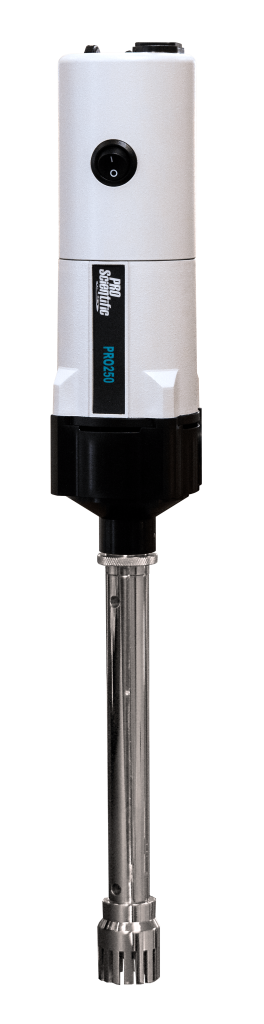
PRO Scientific - PK-01250D - Deluxe CBD Homogenizing Package
-
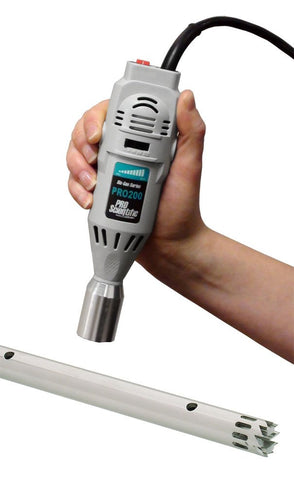
PRO Scientific - PK-01200MXS - Standard MaX-Homogenizing Package, 5ml-50ml Tubes
-
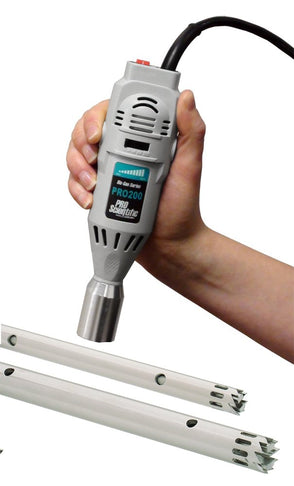
PRO Scientific - PK-01200UHS - Standard Universal Homogenizing Package, 1.5ml-100ml Tubes
-
PRO Scientific - PK-01250BP - Basic Plus CBD Homogenizing Package
-
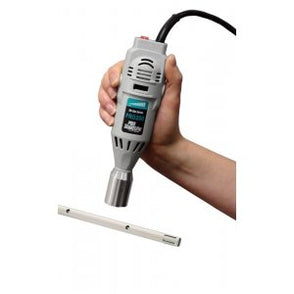
PRO Scientific - PK-01200S - Standard Micro-Homogenizing Package, 0.5ml-2ml Tubes
-
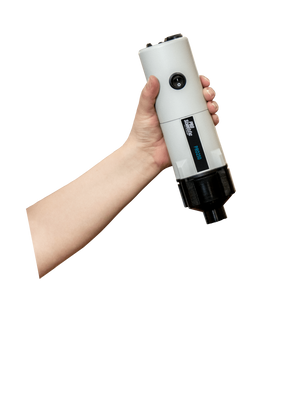
PRO Scientific - PK-01250B - Basic CBD Homogenizing Package, 50ml Tubes to 3L Beaker
-
PRO Scientific - PK-01200D - Deluxe Micro-Homogenizing Package, 0.5ml-10ml Tubes
-
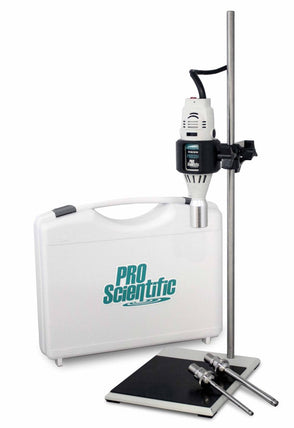
PRO Scientific - PK-01200UHD - Deluxe Universal Homogenizing Package, 1.5ml-100ml Tubes
-
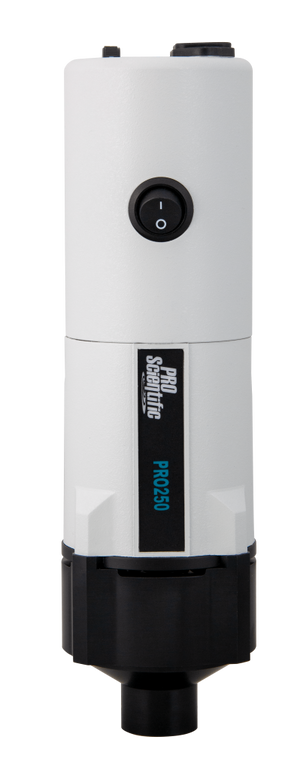
PRO Scientific - 01-01250 - PRO250 Hand-Held Homogenizer, 0.03ml-5L Volume
-
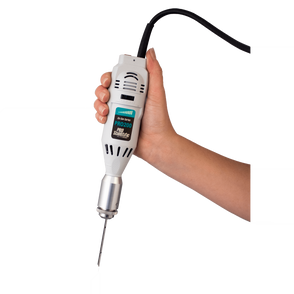
PRO Scientific - 01-01200 - Bio-Gen PRO200 Hand-Held Homogenizer, 0.03ml-500ml Volume
-
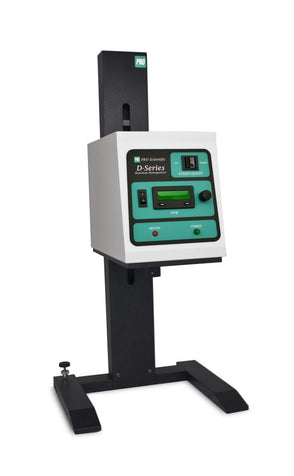
PRO Scientific - 01-01400DSEL - PRO400DSEL Digital Benchtop Homogenizer (Extra Length), 10ml-30L Volume
-
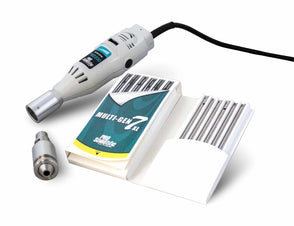
PRO Scientific - PK-01200PMGXL - Multi-Sample Homogenizing Package, 1.5ml-16ml Tubes
-
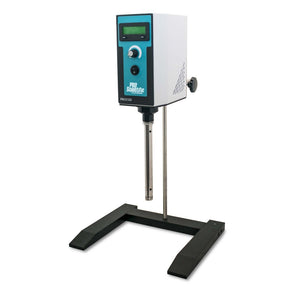
PRO Scientific - 01-25100 - PRO25D Digital Homogenizer, 0.03ml-3.5L Volume
-
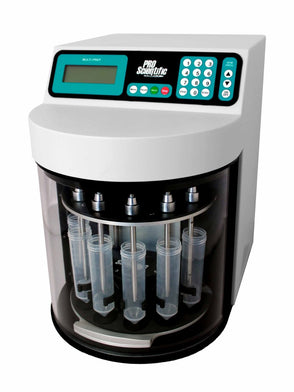
PRO Scientific - 01-01620 - 120V Multi-Prep Rapid Homogenizer
-
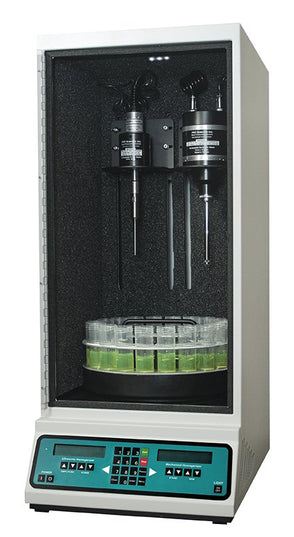
PRO Scientific - 01-01720 - DPS-20 Dual Homogenizing System
-
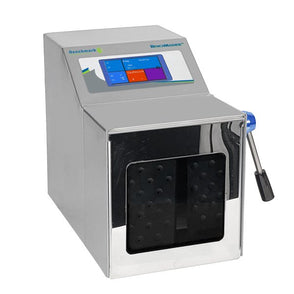
Benchmark Scientific - IPD4400 - BenchMasher™ 400
Lab Homogenizers & Equipment for Research & Development FAQS
What is the difference between a rotor-stator and an ultrasonic homogenizer?
Rotor-stator homogenizers rely on mechanical shear force. A rapidly spinning inner rotor draws the sample material up and forces it through the stationary outer stator, physically tearing the tissue or particles apart. This method is highly effective for solid tissues, plant matter, and viscous emulsions. In contrast, an ultra-sonicator uses high-frequency sound waves to create microscopic cavitation bubbles in a liquid sample. When these bubbles collapse, they generate intense localized shockwaves that break apart particles. Ultrasonic processing is generally preferred for liquid suspensions and delicate molecular extractions where physical blades might be ineffective.
Can a standard benchtop homogenizer be used for cell disruption?
While mechanical rotor-stator homogenizers are excellent for breaking down bulk tissue into a suspension, they are often not powerful enough to effectively crack tough cell walls (like yeast or certain bacteria) without severely overheating the sample. If your primary R&D application requires extracting intracellular proteins or nucleic acids, you should utilize dedicated cell disruptors, such as high-energy bead mills, which are specifically engineered to lyse cellular membranes with high efficiency and reproducible yields.
How do I prevent my samples from overheating during homogenization?
Both mechanical shearing and ultrasonic cavitation introduce significant kinetic energy into your sample, which rapidly converts into heat. For temperature-sensitive analytes like RNA or live enzymes, this thermal spike can cause immediate degradation. To mitigate this, laboratories should process samples in short bursts rather than continuous runs, allowing heat to dissipate. Additionally, placing your sample tubes in cooling blocks for sample tubes or pre-chilled ice baths during processing helps stabilize the temperature and protects the integrity of your biologicals.
How much does a lab homogenizer cost, and what determines the price?
A standard homogenizer price varies based on the motor's wattage, speed controls (analog vs. digital), and the required processing volumes. Entry-level handheld units for micro-volumes start around $500 to $1,000, while high-throughput, programmable benchtop models can exceed $4,000. It is important to note that the generator probes (the attachments that do the shearing) are often sold separately.
What sample volumes can benchtop lab homogenizers process?
Benchtop homogenizers are versatile, but their capacity depends on the generator probe attached to the motor. Small-diameter probes (e.g., 5mm) are designed for microcentrifuge tubes and handle volumes from 0.2 mL to 5 mL. Larger probes can process up to 10 liters in a larger vessel. When scaling up your workflow or transitioning to downstream cultivation, ensuring your homogenized sample volumes align with your cell culture equipment capacities is critical for maintaining consistent batch concentrations.