Ductless Fume Hoods
-
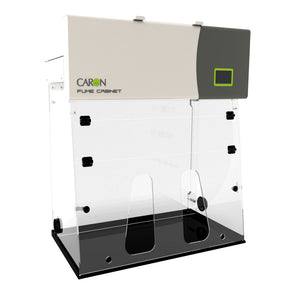
Caron - PC 1004-1 - Single and Dual layer Chemcap Carbon Ductless Fume Hoods 1000mm
-
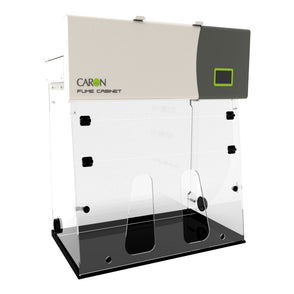
Caron - PC 1004-4 - Single and Dual layer Chemcap Carbon Ductless Fume Hoods 1000mm
-
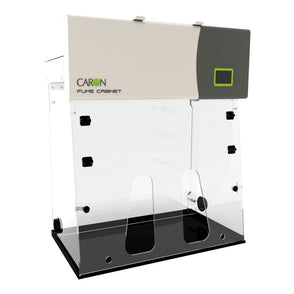
Caron - BC 1004-1 - Single and Dual layer Chemcap Carbon Ductless Fume Hoods 1000mm
-
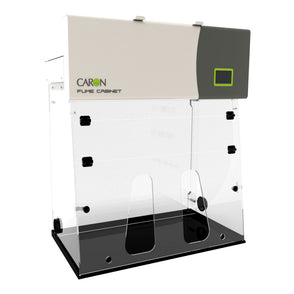
Caron - BC 0402-4 - Single and Dual layer Chemcap Carbon Ductless Fume Hoods 400mm
-
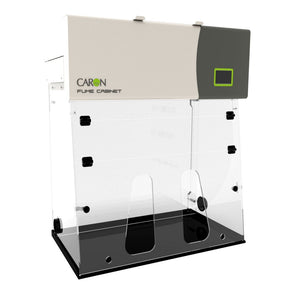
Caron - BC 1506-4 - Single and Dual layer Chemcap Carbon Ductless Fume Hoods 1500mm
-
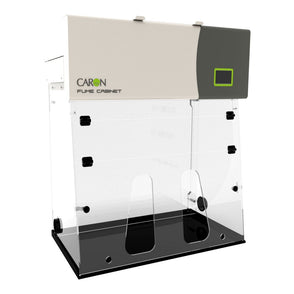
Caron - BC 1206-1 - Single and Dual layer Chemcap Carbon Ductless Fume Hoods 1200mm
-
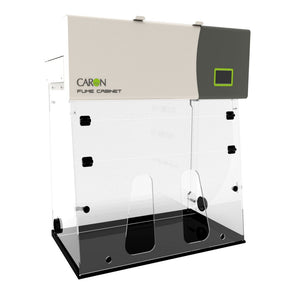
Caron - BC 0603-4 - Single and Dual layer Chemcap Carbon Ductless Fume Hoods 600mm
-
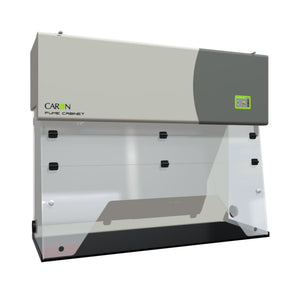
Caron - PR2008-4 - Triple-Layer Chemcap Carbon Ductless Fume Hoods 2000mm
-
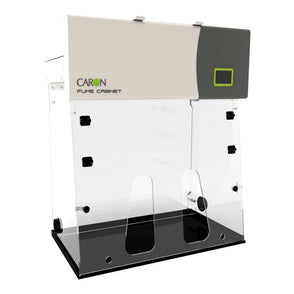
Caron - PC 0804-1 - Single and Dual layer Chemcap Carbon Ductless Fume Hoods 800mm
-
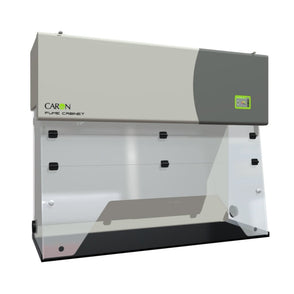
Caron - PR1004-4 - Triple-Layer Chemcap Carbon Ductless Fume Hoods 1000mm
-
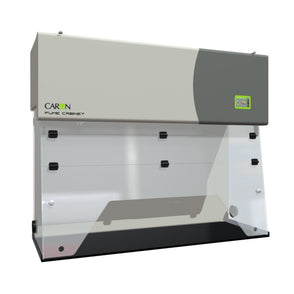
Caron - PR1506-1 - Triple-Layer Chemcap Carbon Ductless Fume Hoods 1500mm
-
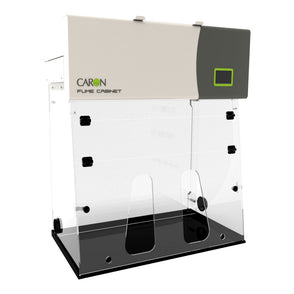
Caron - BC 0804-1 - Single and Dual layer Chemcap Carbon Ductless Fume Hoods 800mm
-
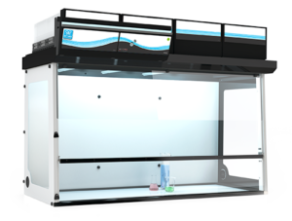
Erlab - 714SMART - Captair Smart Ductless Fume Hoods
-
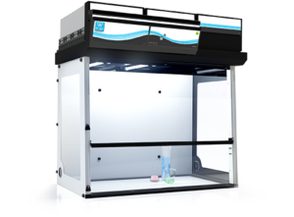
Erlab - 483SMART - Captair Smart Ductless Fume Hoods
-
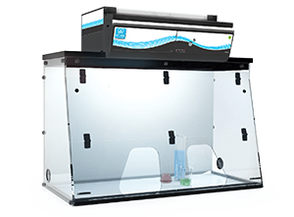
Erlab - 481SMART - Captair Smart Ductless Fume Hoods
-
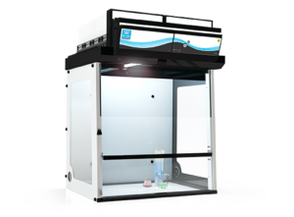
Erlab - 392SMART - Captair Smart Ductless Fume Hoods
-
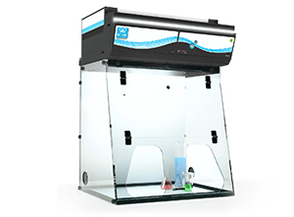
Erlab - 321SMART - Captair Smart Ductless Fume Hoods
-
Erlab - 391SMART - Captair Smart Ductless Fume Hoods
-
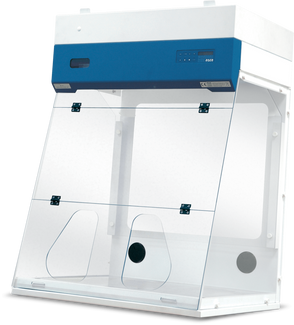
ESCO - SPD-3B2 - Ascent™ Opti Ductless Fume Hood with Transparent Back Wall, 3ft/0.9m, 110-120 VAC, 60 Hz
-
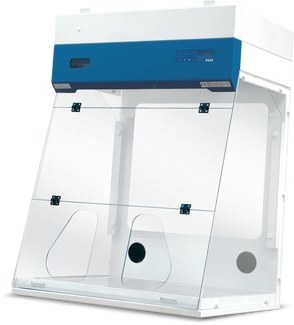
ESCO - SPD-4B2 - Ascent™ Opti Ductless Fume Hood with Transparent Back Wall, 4ft/1.2m, 110-120 VAC, 60 Hz
Ductless Fume Hoods & Chemical Cabinets for Labs
What is a ductless chemical fume hood?
A ductless chemical fume hood is a self-contained laboratory enclosure designed to protect personnel from toxic vapors, fumes, and particulate matter. Instead of venting contaminated air outside the facility, a ductless fume cabinet pulls hazardous air through integrated filtration systems (typically activated carbon and HEPA filters) and safely recirculates the purified air back into the laboratory space. This eliminates the need for expensive HVAC modifications and external exhaust systems.
How does a ductless fume cupboard differ from a ducted model?
The primary difference is how the exhaust air is managed. Traditional ducted fume hoods connect directly to a facility's exterior exhaust system, pulling chemical vapors completely out of the building. Because they do not rely on carbon filters, ducted systems can handle a broader and heavier volume of extreme chemicals. Ductless hoods act as standalone units, relying entirely on internal filters to trap specific families of chemicals before returning clean air to the room, making them highly portable and energy-efficient.
Can a ductless fume hood handle all types of chemicals?
No. Ductless fume cabinets are exceptionally safe when used correctly, but they are limited by their filtration media. They are ideal for handling trace amounts of solvents, mild acids, and nuisance odors. They should never be used for highly volatile chemicals, extreme heating applications, or heavy acid digestion processes that could quickly saturate or bypass the carbon filters. Laboratories must perform a chemical assessment to ensure their specific applications align with the correct filter type.
What types of filters are used in ductless fume cabinets?
Ductless systems rely on two primary types of filtration to achieve safe air recirculation:
-
Activated Carbon Filters: Engineered to trap and neutralize chemical vapors and gases. Manufacturers provide different carbon blends to target specific chemical families, such as organics, acids, or ammonia.
-
HEPA/ULPA Filters: Designed to capture microscopic solid particulates, powders, and aerosols.
If your protocol strictly involves biological pathogens or infectious agents rather than chemical vapors, you must use certified biological safety cabinets instead of a standard fume hood.
How often do ductless fume hood filters need to be replaced?
Filter lifespan depends entirely on usage frequency, chemical evaporation rates, and ambient laboratory conditions. Most activated carbon filters last between six to twelve months under standard use. Modern ductless hoods feature integrated sensors and alarms that alert users when chemical breakthrough occurs, ensuring filters are never used past their saturation point. To optimize your workspace, many facilities install these units on dedicated fume hood base unites to store replacement filters and compatible non-flammable supplies directly below the workstation.