Cage Processing
-
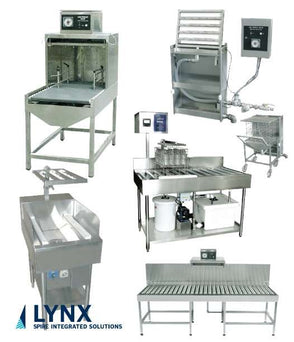
LYNX - BFS - Vivarium Bottle and Feed Filling Systems
-
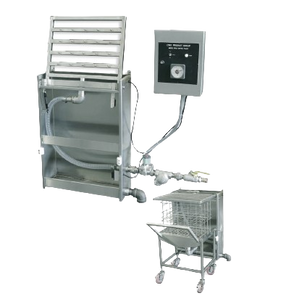
LYNX - 170LX - Vivarium Bottle and Feed Filling Systems
-
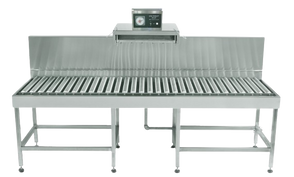
LYNX - 110LX - Vivarium Bottle and Feed Filling Systems
-
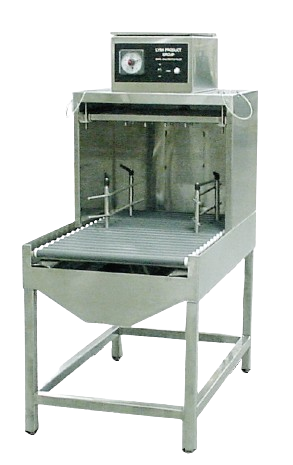
LYNX - 100LX - Vivarium Bottle and Feed Filling Systems
-
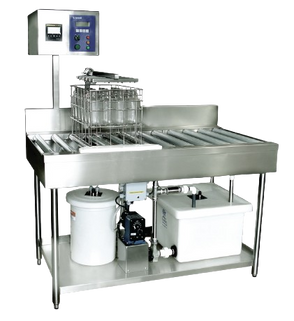
LYNX - 110BF - Vivarium Bottle and Feed Filling Systems
-
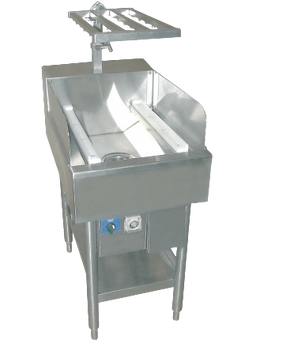
LYNX - 100BF - Vivarium Bottle and Feed Filling Systems
-
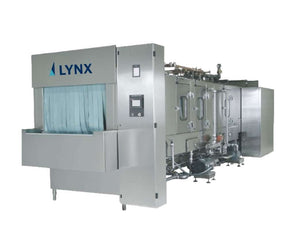
LYNX - 536LX - Tunnel Cage Washer
-
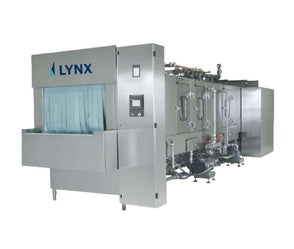
LYNX - 530LX - Tunnel Cage Washer
-
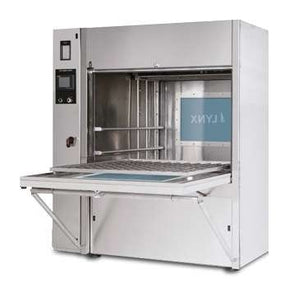
LYNX - 320LX - Cage & Bottle Washer
-
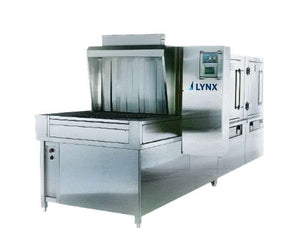
LYNX - 524SW - Tunnel Cage Washer
-
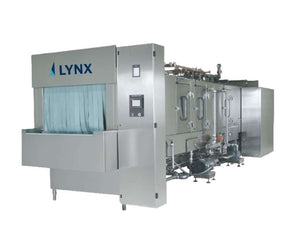
LYNX - 548LX - Tunnel Cage Washer
-
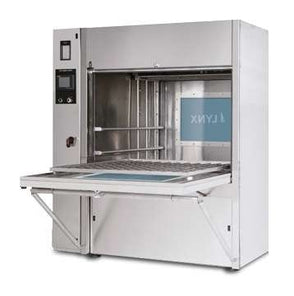
LYNX - 340LX - Cage & Bottle Washer
-
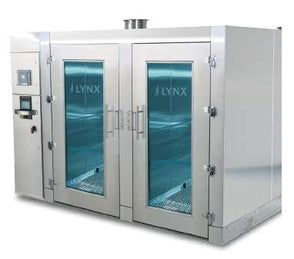
LYNX - 455LX - Cage & Rack Washer
-
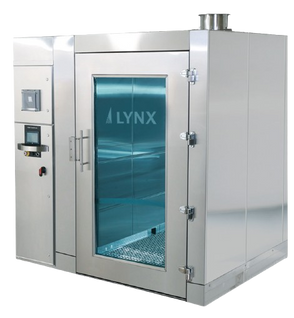
LYNX - 420LX - Cage & Rack Washer
-
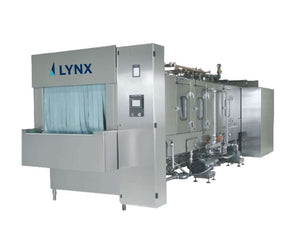
LYNX - 554LX - Tunnel Cage Washer
-
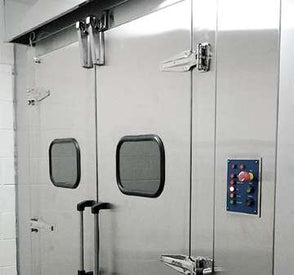
LYNX - 450RS - Cage & Rack Washer
-
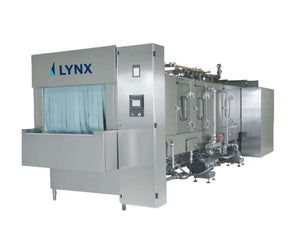
LYNX - 542LX - Tunnel Cage Washer
-
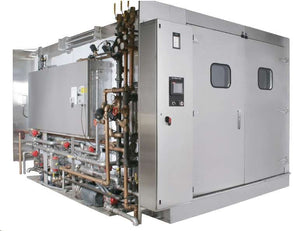
LYNX - 450LX - Cage & Rack Washer
-
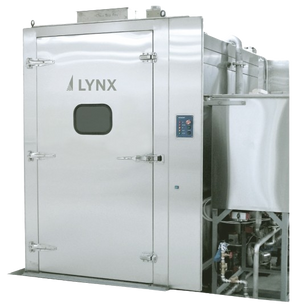
LYNX - 430RS - Cage & Rack Washer
-
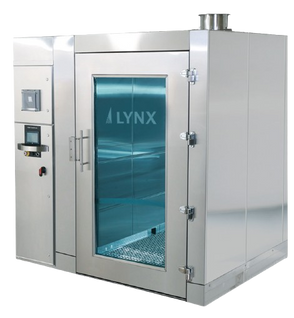
LYNX - 430LX - Cage & Rack Washer
Animal Cage and Bottle Washing Machines
How does a life science cage washer differ from a standard industrial washer?
Equipment designed for life sciences focuses on specific sanitary benchmarks and the removal of animal-related waste. While industrial washers focus on general grime or grease, cage washers prioritize high-level disinfection and the thorough rinsing of chemical residues that could impact animal health. These units also feature specialized racks tailored for housing components and bottles rather than generic pallets or crates.
How do I choose the right cage and rack washer for my animal facility?
Selection depends primarily on your daily cage volume and the physical footprint of your washroom. If you handle high quantities of uniform cages, continuous tunnel washers might be best for high-throughput processing. For facilities with diverse equipment types including large racks and various cage sizes, cabinet-style rack washers offer the versatility needed to accommodate different shapes and heights in a single footprint.
Do your cage washers include a drying function?
Yes, many of the advanced washing systems we provide offer integrated drying phases. These often utilize high-velocity air or heated cycles to ensure that equipment is ready for immediate reuse or storage. Thorough drying is a critical step in preventing the growth of microbes on processed surfaces after the wash cycle is complete.
How often should I service or maintain my cage washing machine?
To keep systems running efficiently, we recommend a routine maintenance schedule that includes checking spray nozzles for clogs and inspecting seals for wear. Because these machines use non-proprietary parts, servicing is straightforward. Regular professional inspections help avoid unexpected downtime in facilities that require 24/7 operation.
Can your equipment handle both animal cages and lab glassware?
While dedicated cage washers are built for heavy-duty sanitation of housing units, certain models are flexible enough to process laboratory glassware and drinking bottles using specialized inserts. If your facility requires processing high volumes of drinking vessels, utilizing automated bottle washers provides a dedicated, repeatable cleaning solution for research hardware.
What makes LabEquipCo different from other laboratory equipment companies in the USA?
We are a family-operated business that has served the scientific community since 1948. Our approach is consultative, meaning we act as an independent distributor to help you find the best factory solution for your specific needs rather than pushing a single brand. We provide 360-degree support, assisting from the initial dock delivery through setup and long-term technical care.