Class II Type A2 Biological Safety Cabinets
Related Categories
-
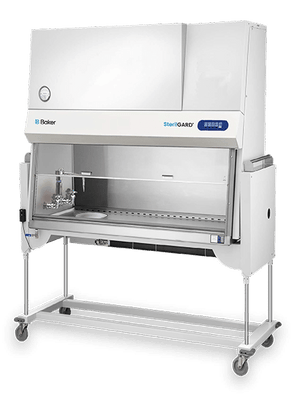
Baker - SG504-NEC - 5' SterilGARD® e3 Necropsy Unit
-
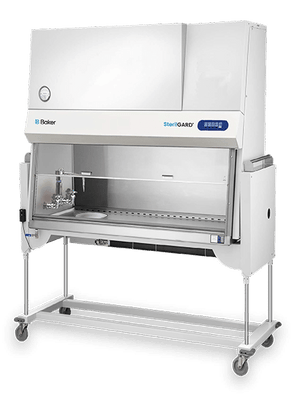
Baker - SG404-NEC - 4' SterilGARD® e3 Necropsy Unit
-
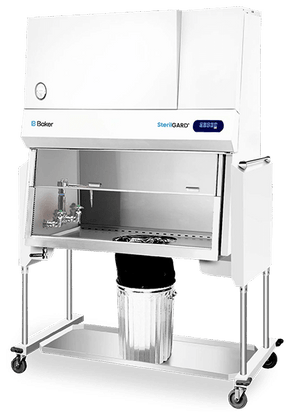
Baker - SG504-WDU - 5' SterilGARD® e3 Waste Disposal Unit
-
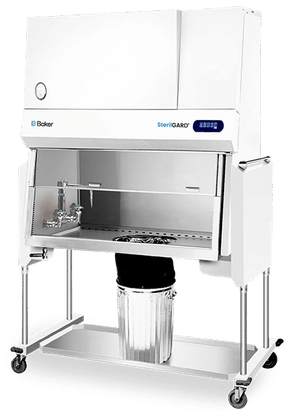
Baker - SG404-WDU - 4' SterilGARD® e3 Waste Disposal Unit
-
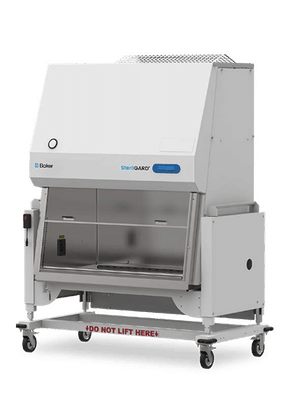
Baker - SG504-ATS - 5' SterilGARD® e3 Animal Transfer Station
-
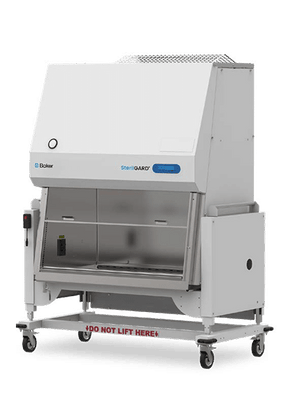
Baker - SG404-ATS - 4' SterilGARD® e3 Animal Transfer Station
-
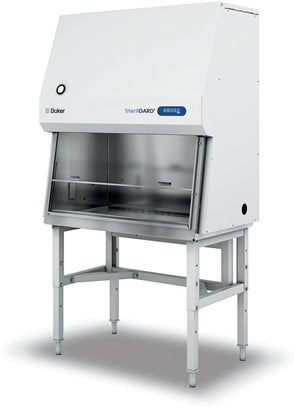
Baker - SG304 - 3' SterilGARD® e3 NSF Class II Type A2 Biosafety Cabinet
-
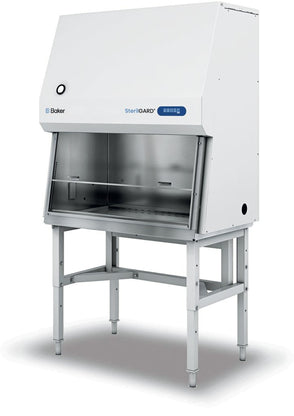
Baker - SG504-115V - 5' SterilGARD® e3 NSF Class II Type A2 Biosafety Cabinet, 115V
-

Baker - SG604-115V - 6' SterilGARD® e3 NSF Class II Type A2 Biosafety Cabinet, 115V
-

Baker - SG404-115V - 4' SterilGARD® e3 NSF Class II Type A2 Biosafety Cabinet, 115V
-
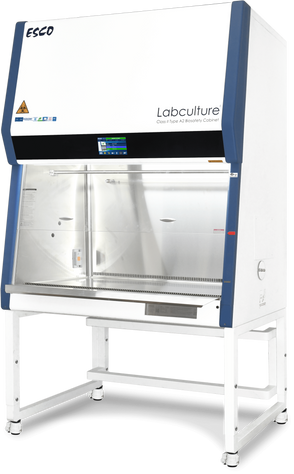
ESCO - LA2-S9-G4 - 10" Port AF Labculture® Class II Type A2 Biological Safety Cabinet, 110-130 VAC, 50/60 Hz
-
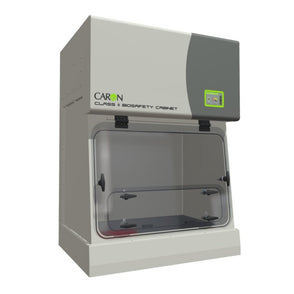
Caron - MT120H-4 - Dual Hepa Biosafety Cabinets 1200mm
-
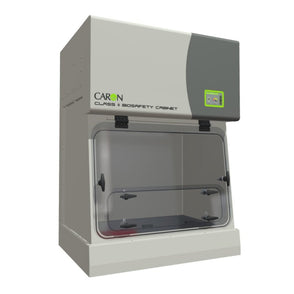
Caron - MD120H-1 - Dual Hepa Biosafety Cabinets 1200mm
-
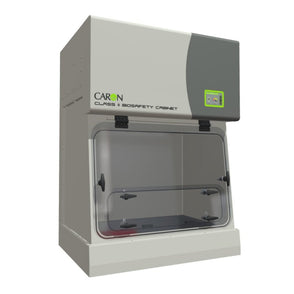
Caron - MR085G-4 - Recirculating Biosafety Cabinets 854mm
-
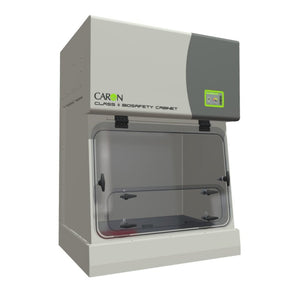
Caron - MR120H-1 - Recirculating Biosafety Cabinets 1200mm
-
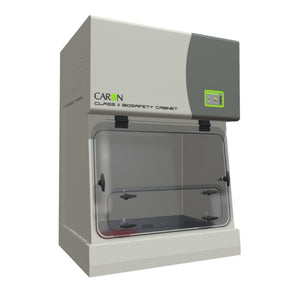
Caron - MD085G-4 - Dual Hepa Biosafety Cabinets 854mm
-
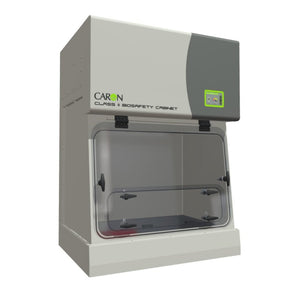
Caron - MX120K-4 - Exhaust Biosafety Cabinets 1200mm
-
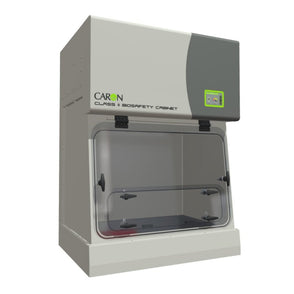
Caron - ME120K-4 - Exhaust Biosafety Cabinets 1200mm
-
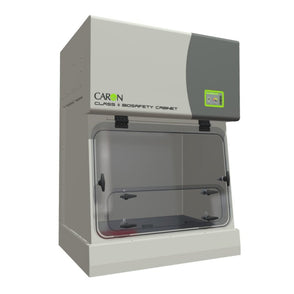
Caron - MU120H-1 - Recirculating Biosafety Cabinets 1200mm
-
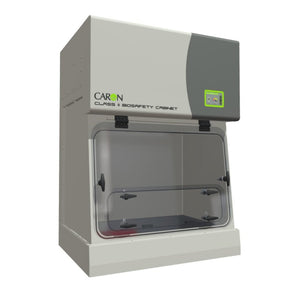
Caron - ME085J-4 - Exhaust Biosafety Cabinets 854mm


Class II Type A2 Biosafety Cabinets For Lab Use
What is a Class II Type A2 biological safety cabinet?
A Class II Type A2 biological safety cabinet provides personnel, product, and environmental protection by filtering air through high efficiency particulate air (HEPA) filters. It recirculates approximately 70 percent of the HEPA filtered air within the cabinet and exhausts the remaining 30 percent back into the laboratory or to the outside via a canopy connection. If your protocols only require personnel protection without product protection, Class I biological safety cabinets might be a more practical and economical alternative.
How does a Type A2 differ from a Type B2 biosafety cabinet?
The primary difference lies in the airflow and exhaust mechanisms. A Type A2 cabinet recirculates the majority of its air, making it suitable for microbiological work with minute quantities of volatile toxic chemicals and tracer amounts of radionuclides. In contrast, Class II Type B2 biological safety cabinets are 100 percent exhausted to the outside of the facility and do not recirculate any air within the work zone. A Type B2 system is mandatory when your application involves significant volumes of hazardous chemical vapors.
Can a Class II Type A2 cabinet be used for high risk pathogens?
Class II Type A2 cabinets are rated for biosafety level (BSL) 1, 2, and 3 agents. They are the most common biological safety cabinet used in clinical and research laboratories for handling moderate risk biologicals. However, they are not suitable for handling lethal BSL 4 agents. For highly infectious and life threatening materials, researchers must use fully enclosed, gas tight Class III biological safety cabinets (glove box) to ensure absolute maximum operator and environmental containment.
Are Type A2 biosafety cabinets the same as tissue culture hoods?
No. While laboratory personnel sometimes use the terms interchangeably, they serve fundamentally different functions. A Type A2 biosafety cabinet protects the user, the environment, and the product from biological hazards. Standard tissue culture hoods (often configured as horizontal laminar flow clean benches) only protect the product by blowing filtered air directly outward toward the operator. They offer zero personnel protection and should never be used with infectious biological agents.