Cage Washers
-
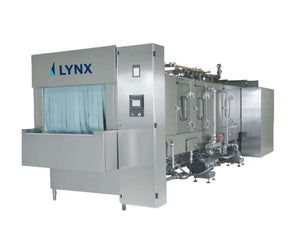
LYNX - 542LX - Tunnel Cage Washer
-
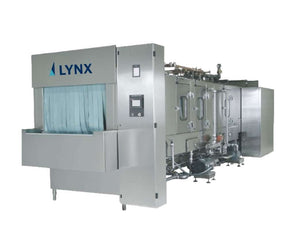
LYNX - 536LX - Tunnel Cage Washer
-
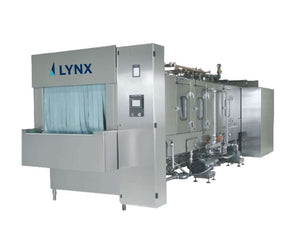
LYNX - 554LX - Tunnel Cage Washer
-
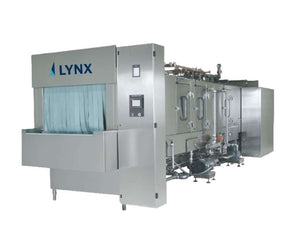
LYNX - 548LX - Tunnel Cage Washer
-
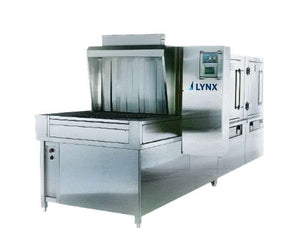
LYNX - 524SW - Tunnel Cage Washer
-
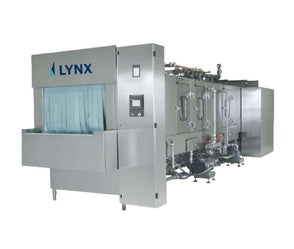
LYNX - 530LX - Tunnel Cage Washer
-
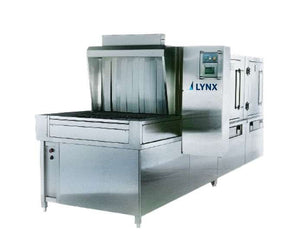
LYNX - 536SW - Tunnel Cage Washer
-
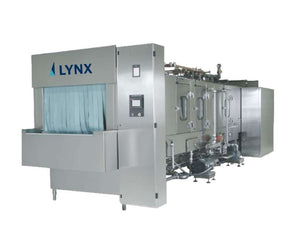
LYNX - 524LX - Tunnel Cage Washer
-
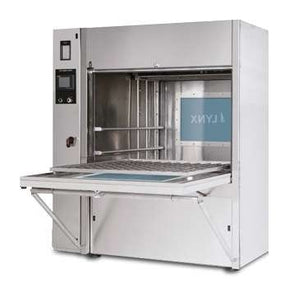
LYNX - 320LX - Cage & Bottle Washer
-
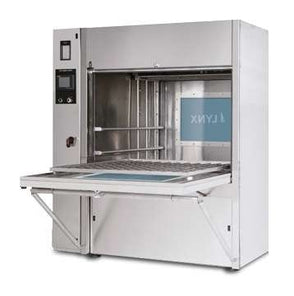
LYNX - 340LX - Cage & Bottle Washer
-
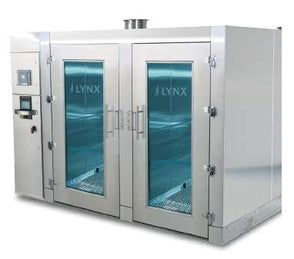
LYNX - 455LX - Cage & Rack Washer
-
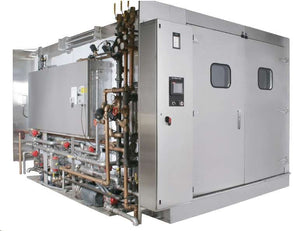
LYNX - 450LX - Cage & Rack Washer
-
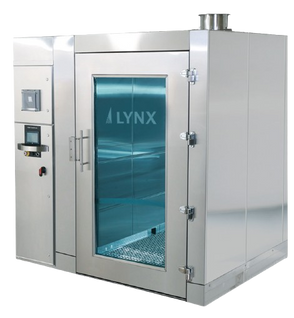
LYNX - 430LX - Cage & Rack Washer
-
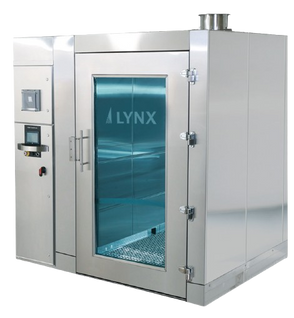
LYNX - 420LX - Cage & Rack Washer
-
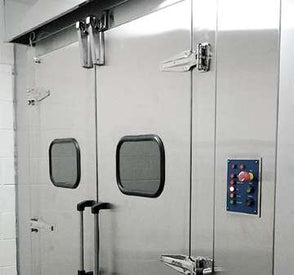
LYNX - 450RS - Cage & Rack Washer
-
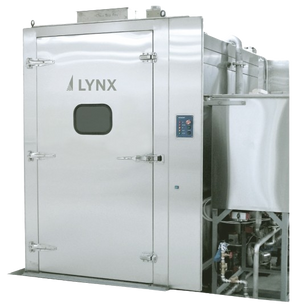
LYNX - 430RS - Cage & Rack Washer
-
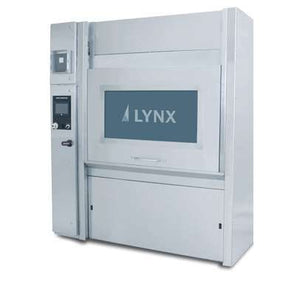
LYNX - 330LX - Cage & Bottle Washer
-
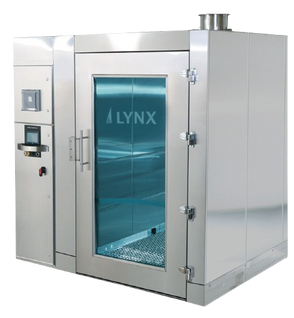
LYNX - 410LX - Cage & Rack Washer
-
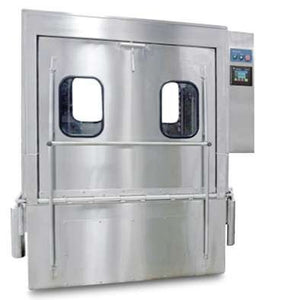
LYNX - 340RS - Cage & Bottle Washer
-
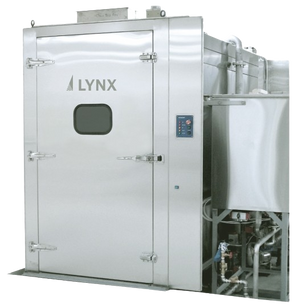
LYNX - 420RS - Cage & Rack Washer
Animal Cage & Bottle Washing Machines For Labs
How does an animal cage washer work?
An animal cage washer is a specialized piece of equipment designed to clean and sanitize laboratory animal cages. The cleaning and sanitization process typically begins with a pre-rinse to remove debris, followed by a wash cycle with detergent and high pressure water to break down organic material. Once the cages are washed most washers will perform a final rinse and sanitization using high-temperature water and chemical disinfectants. Many cage washers are designed with programmable cycles, allowing labs to standardize cleaning protocols and ensure consistent, repeatable results that meet research and regulatory standards.
Do lab cage washers also wash water bottles?
Yes, many laboratory cage washers are designed to accommodate not only cages but also accessories such as water bottles, lids, feeders, and racks. Some systems include dedicated bottle washing modules or attachments that ensure thorough internal and external cleaning. When selecting a cage washer, it’s important to confirm compatibility with your specific cage and accessory types to ensure efficient and comprehensive sanitation.
Are cage washers easy to operate and maintain?
Modern cage washers are built with user-friendly controls and automation features that simplify operation. Many systems include touchscreen interfaces, programmable cycles, and automated detergent dispensing, reducing the need for manual intervention. Maintenance is also rather simple and can vary from washer-to-washer. Most washers require maintenance such as routine cleaning of filters, inspection of spray nozzles, and periodic servicing of pumps and heating elements. Regular preventive maintenance helps ensure consistent performance, extend the lifespan of equipment. and minimize costly downtime.
How do cage washers improve lab efficiency?
Cage washers remove the need for hard-labor washing cages. Instead, with a little preparation and few clicks the cage washer can run standardized cycles for multiple cages. Cage washers remove the need for hard manual labor while achieving consistency. Additionally, knowing exactly how long it will take to sanitize can help you optimize schedules.
What makes an animal cage washer different from a standard dishwasher?
While both cage washers and standard dishwashers use water, heat, and detergent, animal cage washers are specifically engineered for the demands of laboratory environments. They operate at higher temperatures, use more powerful spray systems, and are designed to handle heavy soiling and biological contaminants. Cage washers also feature larger chambers, specialized racks, and programmable cycles tailored to different types of lab equipment. Most importantly, they are built to meet strict sanitation and compliance standards required in research settings, which standard dishwashers are not designed to achieve.
How do I choose the right cage washer for my vivarium or research lab?
Selecting the right cage washer depends on several factors, including the size of your facility, the volume of cages processed daily, and the types of cages and accessories used. Consider capacity, cycle speed, temperature capabilities, design features such as racks for feeding bowls, and compatibility with your existing workflow. It’s also important to evaluate automation features, energy and water efficiency, and compliance with relevant regulatory standards. Working with an experienced supplier can help you identify the best solution for your specific needs, ensuring reliable performance and long-term value for your laboratory.