High-Speed Centrifuges for Laboratories
-
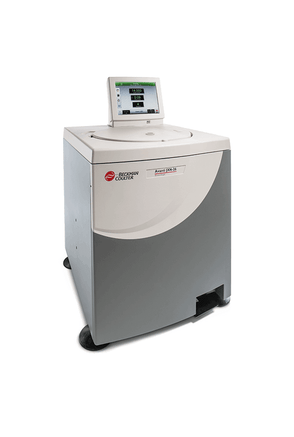
Beckman Coulter - B34183 - Avanti® JXN-26 Centrifuge, 200-240V, 50-60HZ, 24A
-
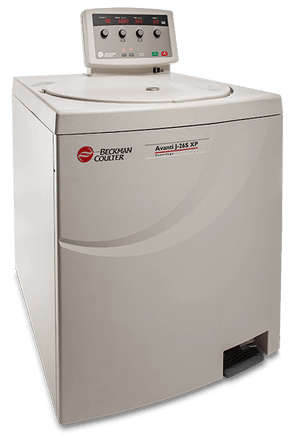
Beckman Coulter - B14543 - J-26S XP Three-Phase Non-IVD Centrifuge with Elutriation, 50 Hz, 220 V
-
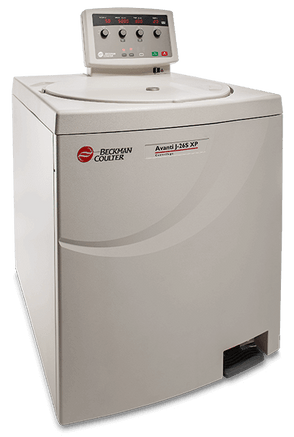
Beckman Coulter - B14537 - Avanti J-26S XP Non-IVD Three-Phase Centrifuge, 50 Hz, 220 V
-
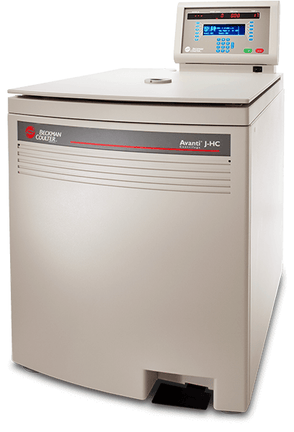
Beckman Coulter - 367501 - Avanti J-HC High Capacity Centrifuge, 50/60 Hz, 200/208/240 V
-
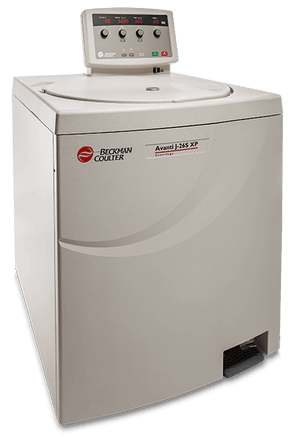
Beckman Coulter - B14536 - Avanti J-26S XP Non-IVD Centrifuge, 50 Hz, 230 V
-
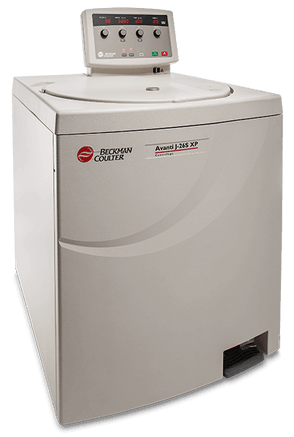
Beckman Coulter - B14535 - Avanti J-26S XP Non-IVD Centrifuge, 50/60 Hz, 200/208/240V
-
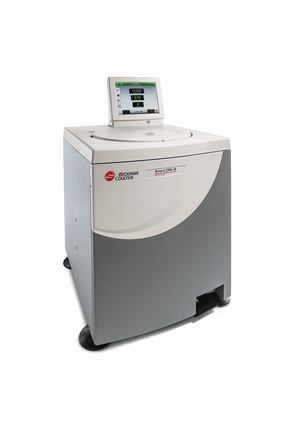
Beckman Coulter - B38619 - Avanti JXN-26 IVD Centrifuge, 200-240V, 50/60HZ, 24A
-
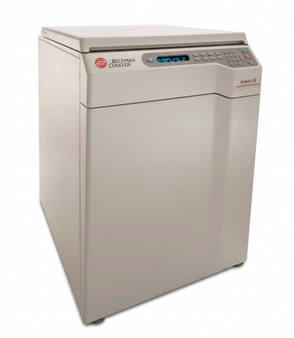
Beckman Coulter - 969352 - Avanti J-E BioSafe (4L), High Performance Floor Centrifuge, 60 Hz, 208/240 V
-
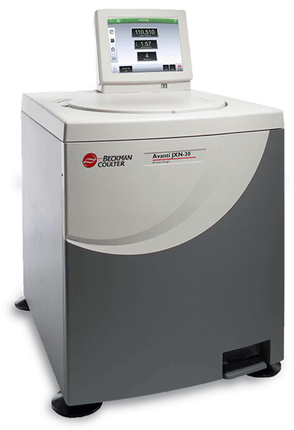
Beckman Coulter - B34193 - Avanti JXN-30 Centrifuge, 200-240V, 50/60 Hz, 24A
-
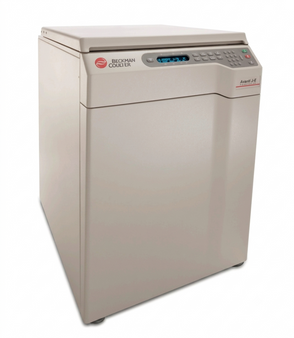
Beckman Coulter - 369001 - Avanti J-E 4L High Performance Floor Centrifuge, 60 Hz, 208/240 V
-
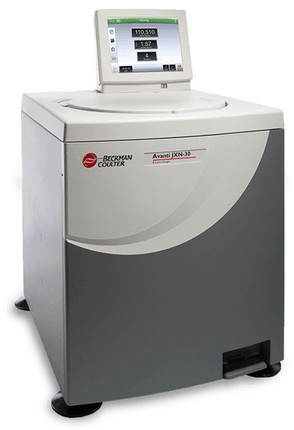
Beckman Coulter - B38621 - Avanti JXN-30 IVD Centrifuge, 200-240V, 50/60 Hz, 24A
-
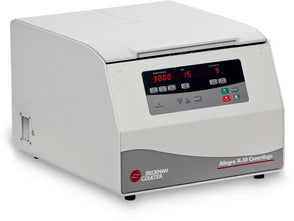
Beckman Coulter - B05800 - Allegra X-30R Centrifuge-Cell Culture Package
-
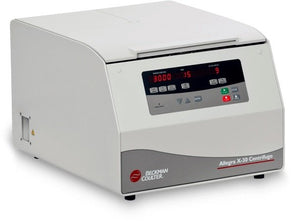
Beckman Coulter - B06320 - Allegra X-30R Clinical 120 V, 60 Hz Centrifuge, IVD
-
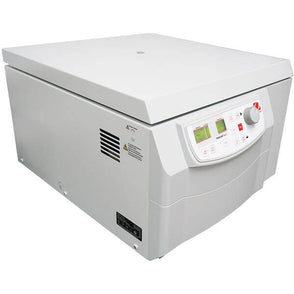
Ohaus - 30553037 - Frontier™ 5000 Series Multi-Pro Centrifuge 120V FC5916
-
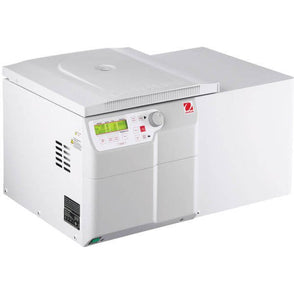
Ohaus - 83041048 - Frontier™ 5000 Multi-Pro Centrifuge 120V FC5830R
-
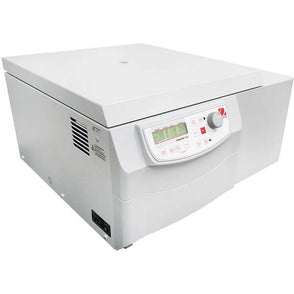
Ohaus - 30553103 - Frontier™ 5000 Series Multi-Pro Centrifuge 120V FC5916R
-
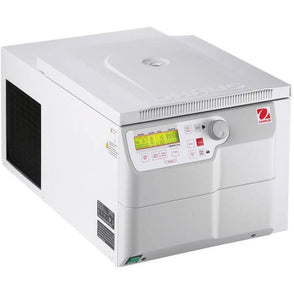
Ohaus - 83041046 - Frontier™ 5000 Multi-Pro Centrifuge 120V FC5720R
-
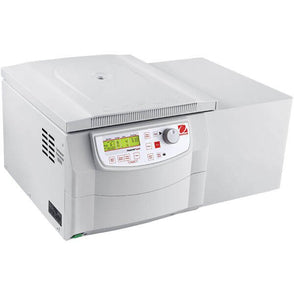
Ohaus - 30314819 - Frontier™ 5000 Multi-Pro Centrifuge 120V FC5816R
-
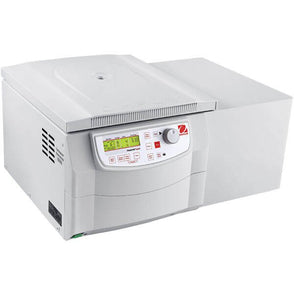
Ohaus - 30314818 - Frontier™ 5000 Multi-Pro Centrifuge 230V FC5816R
-
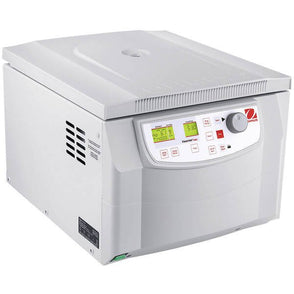
Ohaus - 30314817 - Frontier™ 5000 Multi-Pro Centrifuge 120V FC5816
High Speed & Ultra High Speed Centrifuge FAQs
What defines a high-speed centrifuge?
A high-speed centrifuge is engineered to perform rapid molecular and cellular separations, typically achieving speeds between 15,000 and 30,000 RPM (revolutions per minute) with relative centrifugal forces (RCF) often exceeding 50,000 x g. These powerful machines are essential for advanced biological protocols, such as isolating whole cells, precipitating large proteins, and separating cellular organelles. While they offer far greater force than standard benchtop centrifuges, they operate just below the threshold of true ultracentrifugation.
What is the difference between high-speed and ultra-high speed centrifuges?
The primary difference lies in the maximum centrifugal force they can generate and the size of the particles they can separate. High-speed centrifuges max out around 30,000 RPM and are ideal for whole cells, nuclei, and bacteria. In contrast, ultra-high speed centrifuges (commonly referred to as ultracentrifuges) can achieve speeds exceeding 100,000 RPM, generating over 1,000,000 x g of force. These extreme speeds are required to separate the smallest, least dense biological materials, such as viruses, ribosomes, and DNA/RNA molecules. If your workflow requires isolating these nano-scale macromolecules, you will need a dedicated benchtop ultracentrifuge.
Why do most high-speed centrifuges feature refrigeration?
As a centrifuge rotor spins at 25,000 RPM, aerodynamic friction generates a massive amount of heat inside the chamber. If left uncontrolled, this thermal spike would rapidly denature temperature-sensitive biological samples like live enzymes, active proteins, and cell cultures. A high-speed refrigerated centrifuge utilizes a robust internal compressor to counteract this friction, maintaining a strict internal temperature (typically 4°C) throughout the entire run to preserve sample integrity.
Can a high-speed centrifuge also process high volumes?
Yes. While high-speed processing was traditionally limited to small tube volumes, modern high-capacity floor centrifuges are engineered to process liters of sample simultaneously. By pairing a high-capacity floor model with specialized carbon fiber or titanium swinging-bucket rotors, laboratories can spin multiple 1-liter bottles at high speeds. This combination of speed and volume is vital for large-scale tissue culture harvesting and biopharmaceutical manufacturing batches.
How do I choose the correct rotor for my high-speed centrifuge?
The rotor determines both the speed and the volume capacity of your run. Fixed-angle rotors are the standard for high-speed pelleting because the angled design forces particulates rapidly down the side of the tube, allowing the machine to safely reach its maximum RPM. Swinging-bucket rotors offer lower maximum speeds but provide a flat, even pellet at the bottom of the tube, which is preferable for gradient separations. To maximize the utility of your investment, it is best to purchase a high-speed unit that is compatible with both rotor types.