Incubators
-
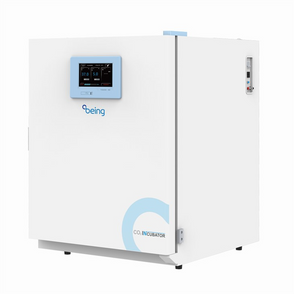
Being - BCO170150TU - CO2 Incubator
-
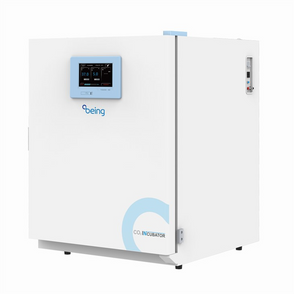
Being - BCO17080TU - CO2 Incubator
-
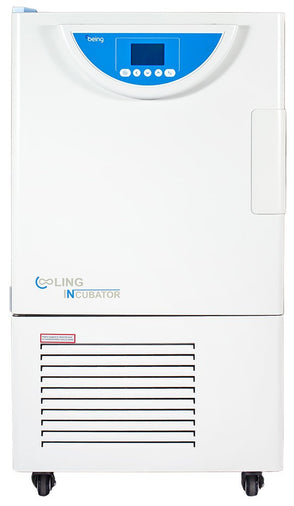
Being - BLC150250U - Cooling Incubator
-
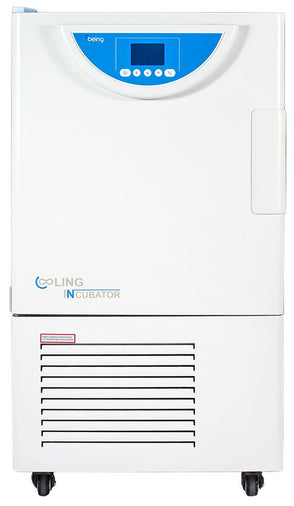
Being - BLC15060U - Cooling Incubator
-
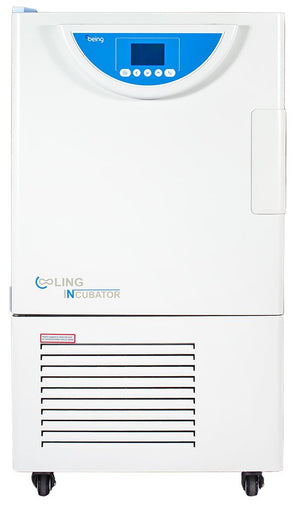
Being - BLC150120U - Cooling Incubator
-
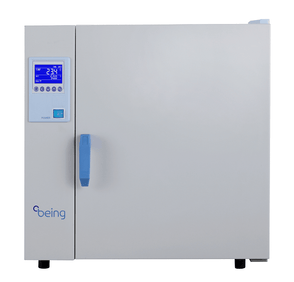
Being - BH152120U - Mechanical Convection Incubator
-
Being - BH152200U - Mechanical Convection Incubator
-
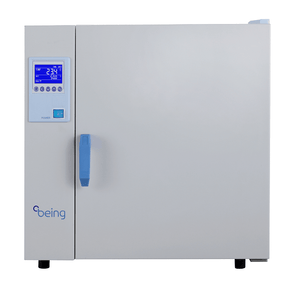
Being - BH15255U - Mechanical Convection Incubator
-
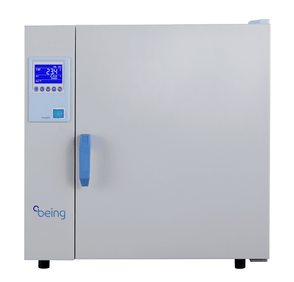
Being - BH15235U - Mechanical Convection Incubator
-
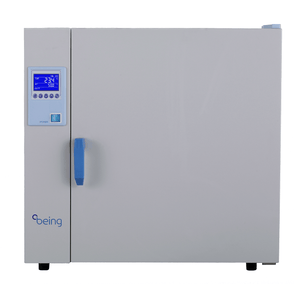
Being - BH151200U - Natural Convection Incubator
-
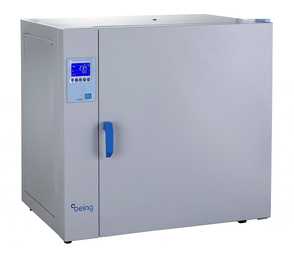
Being - BH151120U - Natural Convection Incubator
-
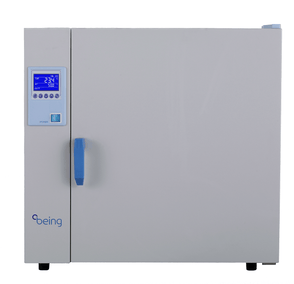
Being - BH15155U - Natural Convection Incubator
-
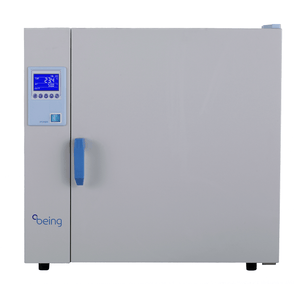
Being - BH15135U - Natural Convection Incubator
-
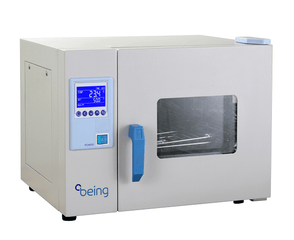
Being - BH15116U - Natural Convection Incubator
-
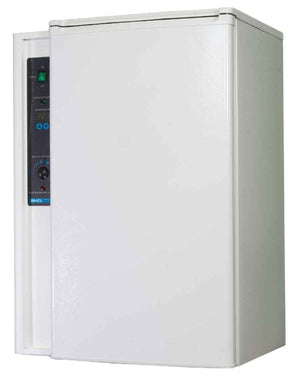
Sheldon Manufacturing Inc. - SRI3 - Refrigerated Incubator, 2.4 Cu.ft, Compressor, 115V, Non-CE
-
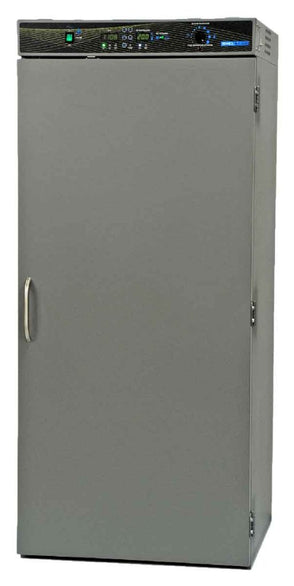
Sheldon Manufacturing Inc. - SRI20PF - Drosophila Incubator, 19.3 Cu.ft, 115V
-
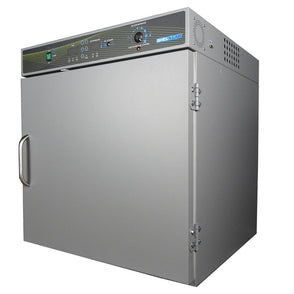
Sheldon Manufacturing Inc. - SRI6PF - Drosophila Incubator, 6 Cu.ft, Peltier, 115V
-

Sheldon Manufacturing Inc. - SRI6P - Refrigerated Incubators, 6 Cu.ft, Peltier, 115V
-

Sheldon Manufacturing Inc. - SRI3P - Refrigerated Incubators, 3 Cu.ft, Peltier, 115V
-
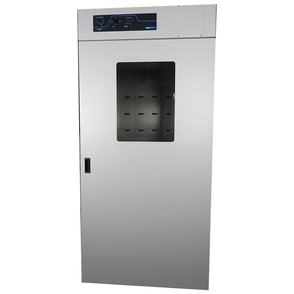
Sheldon Manufacturing Inc. - SMI39-2 - Microbiological Incubators, 38.6 Cu.ft. 1093L, View Door, Roll in Floor, 220-240V


General Purpose Lab Incubator FAQs
What is the difference between a microbiological incubator and a CO2 incubator?
A microbiological incubator is designed primarily for the cultivation of bacteria and yeast. These units provide precise temperature control, typically operating just above ambient room temperature up to 60°C, relying on natural gravity convection or forced air to distribute heat evenly. In contrast, a CO2 incubator is engineered specifically for mammalian cell culture. Mammalian cells require a strictly controlled environment that mimics the human body, necessitating precise regulation of temperature (usually 37°C), high relative humidity (around 95%), and a specific carbon dioxide concentration (typically 5%) to maintain the pH of the culture media.
When should a laboratory use a refrigerated incubator?
Standard lab incubators can only heat the internal chamber. If your research protocols require incubation temperatures that fall at or below ambient room temperature (e.g., 20°C for fruit fly cultivation or 10°C for specific enzyme assays), you must use a refrigerated incubator. These units utilize internal cooling compressors to actively drive the temperature down, making them essential for insect rearing, plant biology, and protein crystallization workflows where strict thermal stability below 25°C is required.
What is a BOD incubator used for?
BOD stands for Biochemical Oxygen Demand. A BOD incubator is a specialized, highly stable refrigerated incubator used primarily in environmental and wastewater testing. Technicians place water samples inside the chamber at a strict 20°C for a five-day period (BOD5 testing) to measure the exact amount of oxygen consumed by microorganisms as they decompose organic matter. Because these tests are strictly regulated by the EPA, BOD incubators are engineered to maintain a dark, thermally stable environment without daily door openings.
How do modern lab incubators prevent cross-contamination?
Contamination is the greatest threat to cell culture operations. Modern laboratory incubators employ several passive and active defense mechanisms to protect samples. The most common active defense is the use of high-heat sterilization cycles. Much like a self-cleaning oven, these incubators run a dry heat cycle (often up to 180°C) overnight to entirely eradicate vegetative bacteria and fungal spores. Other advanced models feature continuous background decontamination using internal UV-LED lighting and interior components forged from naturally antimicrobial copper alloys.
Do I need a water jacket or an air-jacketed incubator?
This choice impacts how your incubator retains heat. Water-jacketed incubators surround the inner chamber with heated water. Water retains heat exceptionally well, meaning these units are highly resistant to sudden temperature drops and will protect your cultures during unexpected power outages. However, they are heavy and require routine water maintenance. Air-jacketed models surround the chamber with heated air. They are much lighter, require less maintenance, and recover their set temperature far faster after the door is opened, making them ideal for high-traffic laboratories where multiple researchers access the unit daily.