Balances & Scales
-
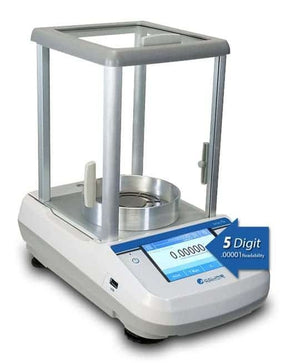
Benchmark Scientific - W3102A-220 - Analytical Balance Series Tx, 220g
-
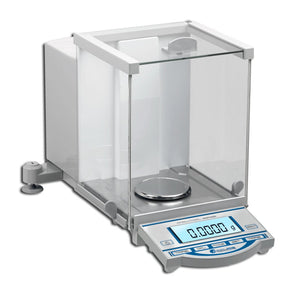
Benchmark Scientific - W3100-120 - Accuris™ Analytical Balance, 120g
-
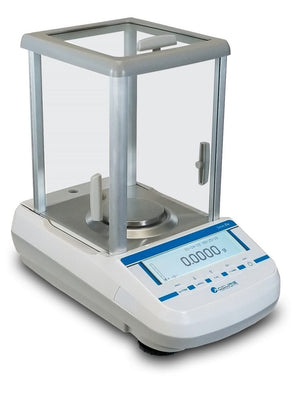
Benchmark Scientific - W3101A-120 - Analytical Balance Series Dx, 120g
-
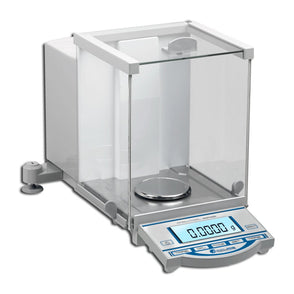
Benchmark Scientific - W3100A-120 - Accuris™ Analytical Balance with Quick-Cal™ Internal Calibration, 120g
-
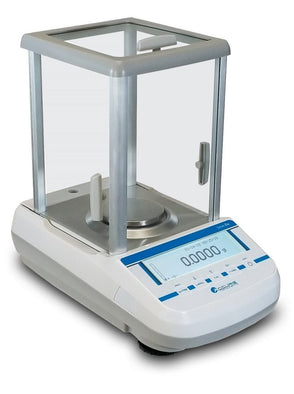
Benchmark Scientific - W3101A-220 - Analytical Balance Series Dx, 220g
Scientific Laboratory Weighing Equipment
What is the difference between a lab scale and a laboratory balance?
The primary distinction comes down to overall sensitivity versus maximum capacity. You will typically see these devices categorized by their intended use case:
-
Scales: Designed for handling heavier loads. They provide rapid results and usually feature an open pan design. These units work exceptionally well for bulk materials and general measurements where extreme precision is not a requirement.
-
Balances: Built for highly sensitive quantitative analysis. Analytical models can read measurements down to fractions of a milligram. They feature glass draft shields to protect the weighing area from minor room drafts.
How do I choose the right laboratory weighing scale for my application?
Picking the correct measurement tool requires an evaluation of your daily workflow. Keep these specific factors in mind before making a purchase:
-
Target accuracy: Identify the smallest weight increment you need to record for your standard operating procedures.
-
Maximum sample mass: Ensure the device capacity comfortably exceeds your heaviest expected samples.
-
Room stability: Highly sensitive equipment demands controlled room temperatures and spaces free from building vibrations.
-
Connectivity needs: Check if your team requires data transfer ports like USB, RS232, or Ethernet for digital logging.
What lab scales are best for pharmaceutical or GMP/GLP environments?
Highly regulated facilities require strict documentation protocols. We strongly suggest selecting units equipped with built in compliance software. The OHAUS Adventurer series, for instance, provides multi level user profiles, specialized calibration locks, and direct data outputs featuring a real time clock. These integrated features help ensure your tracking records meet strict industry standards seamlessly.
How do I calibrate a laboratory weighing scale?
Sustaining accuracy over time requires routine verification. Many high end units contain internal motorized mechanisms that adjust the system automatically when temperatures fluctuate. If your specific model lacks an internal adjustment feature, your operators must perform manual verifications using certified test weights. Always verify the reading stability before starting critical analytical procedures.
Can I use a laboratory balance inside a fume hood or biosafety cabinet?
Operating a highly sensitive analytical device inside standard high flow hoods causes immediate issues. The rapid air currents will vibrate the internal mechanisms and prevent the digital display from settling on a final number. Instead of a standard biosafety cabinet, facilities should install dedicated ventilated balance safety enclosures. These specialized stations protect operators from inhaling hazardous particulates while preserving the calm internal airflow needed for precise readings.
Can I get a quote or request a custom configuration for a lab scale?
Yes, our specialized team is ready to assist you in finding the perfect setup. Contact our representatives at Lab Equipment Co to discuss your daily applications, data integration needs, and desired capacities. We will prepare detailed pricing information.